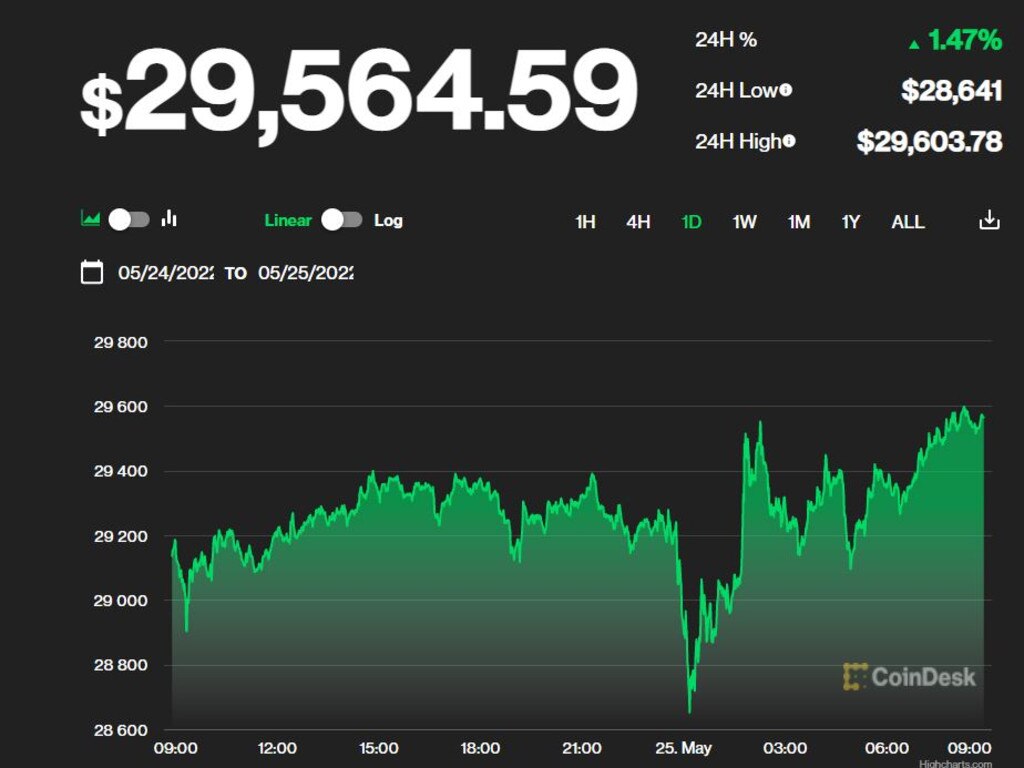
War starts, a leader tweets, inflation rises, a weird whale wallets acquire Bitcoin, and suddenly every btc price prediction available feels as consistent as a weather forecast for next year. Anyone watching Bitcoin for more than a week is aware one clear fact: its price swings in both extreme and unexpected ways depending on world events.

Consider early 2020, for instance. Bitcoin’s value first fell as COVID-19 sent shock waves across the globe, reflecting the freefall of conventional markets. Even hardy hodlers sold under panic, doubt, and flight-to- safety. But look, Bitcoin recovered as central banks produced money faster than gossip travels online within months. No, not only a friendly hop—a complete moon mission. Fearful of fiat money debasement, investors hurried to stock on cryptocurrencies. The story turned completely: from “risky asset” to “digital gold.” Thus, blink twice and the market mood may be quite different from what you would have expected when global drama plays out.
See how language shaped by regulatory chatter shapes debate. China closes down on Bitcoin mining, and the hash rate collapses. Prices fall as miners flee and rigs hitch rides to more friendly coasts. Kazakhstan and Texas suddenly start to attract mining activity. The dip gathers and the volatility seesaws once more. U.S. debates about a Bitcoin ETF last year spurred speculative buying as speculators hoped institutional acceptance would open floodgalls. Bitcoin surged skyward after the Securities and Exchange Commission nodded at last, only to see profit-taking take front stage later.
Like Russia’s invasion of Ukraine, geopolitical frays have actual consequences. People living in impacted areas sometimes use Bitcoin as a lifeboat during sanctions and banking crises. That drives demand and momentarily drives pricing. But usually, the price normalizes as the dust settles—at least until the next crisis occurs.