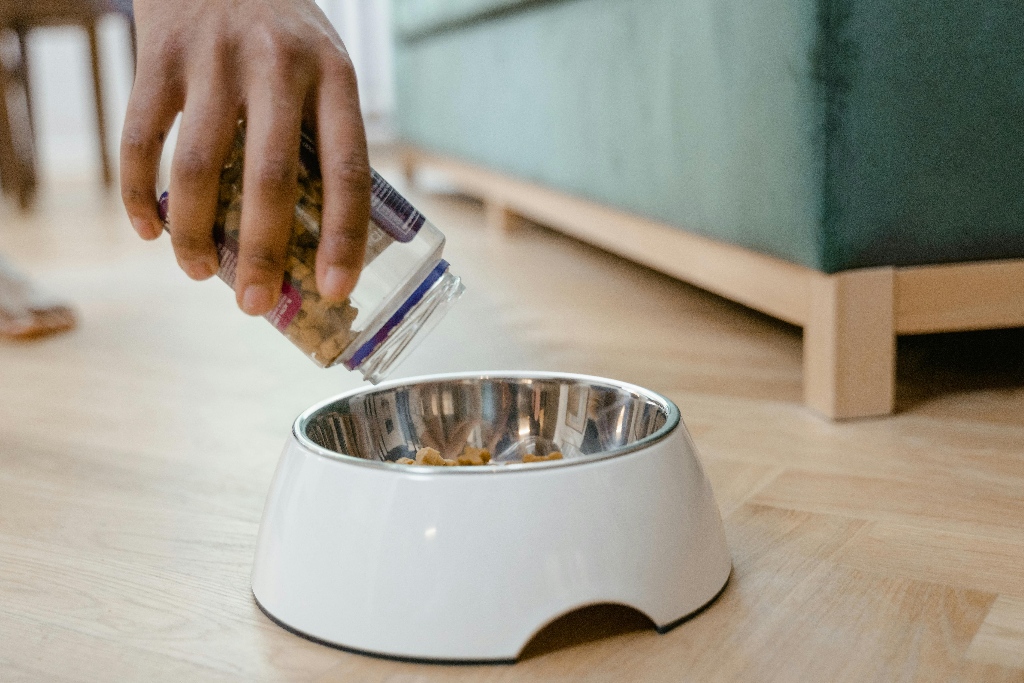
Puppies, grownups, seniors—each has unique demands and personality. How recently did you consider the food of your furry friend? Premiumfeeders Dog treats is not a one-size-fits-all business. You are not alone if you are in the treat sections feeling like a young child staring at 31 varieties of ice cream.

Puppy strength! Those small chewers need rewards designed for fast growth and teething. Stay with soft, bite-sized treats that are mild on unsteady teeth. Many snacks at this period are high in DHA, an omega-3 fatty acid that promotes the growth of vision and brain. High-calorie morsels should be avoided; dogs can easily load on pounds. Puppy training Small snacks equal greater benefits without overindulging.
Once dogs reach adulthood, their energy levels level off. Here is when variation is useful. You can play with tastes, textures, even practical snacks—think of dental chews combating plaque or treats strengthened with probiotics for gut health. Moderation is really important. Adult dogs tip the scales easily since they expend calories less quickly than puppies. Look for sweets with healthy components; for some natural zing, consider salmon, sweet potatoes, or carrots.
senior dogs? They have particular demands of their own. Order is aging joints, sensitive teeth, and dwindling energy mean switch-ups. Treats softer help to lessen chewing discomfort. Many elderly dogs find great benefit from products including glucosamine and chondroitin, which help joints. Your friends now are lower fat content and fewer calories. Sometimes low-sodium or fortified diets designed especially for elderly dogs with medical problems are available. Another advice is to restrict crunchy treats if the teeth of your dog have changed from their former state.
Unique diets? Allergies are Hello and welcome to the puzzle. Snacks with single-ingredients are great for dogs with food sensitivity. Consider hypoallergenic choices from well-reviewed companies or simple freeze-dried liver. See your veterinarian on what matches your four-legged friend if your pet need a low-fat or grain-free diet.