
Walk into any small flower shop, and you’ll notice the bouquets often carry a story bigger than the petals you see. They’re not just bunches of roses, lilies, or orchids—they’re the result of partnerships with growers who live just a few miles down the road. Oddly enough, even in conversations about blooms, someone once compared local sourcing to selling custom logo beach balls. Sounds random, but the point stuck: both are physical items that travel less when they’re sourced nearby, cutting down waste and supporting community trade.
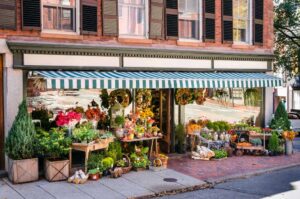
Farmers benefit because they gain consistent buyers. A grower with fields of marigolds doesn’t have to worry about the produce sitting unsold. Shops provide a ready market, keeping fields productive instead of abandoned. In turn, customers get fresher stems that last longer in vases. No long-haul shipping, no shriveled petals stuck in cold storage for weeks.
Everyday Exchange of Value
Imagine the cycle: farmers wake up early, cut flowers at dawn, deliver them by midday, and the shop places them in buckets of water ready for walk-in customers. This rhythm keeps cash flowing directly back to rural families. It’s straightforward commerce, but with deep community impact. A bunch of sunflowers isn’t just decoration—it’s a grocery bill paid, a child’s school uniform bought, or even fertilizer for next season’s crop.
Less Travel, More Fragrance
Imported flowers can travel thousands of miles on planes and trucks. By the time they reach store shelves, they’ve racked up a carbon footprint heavier than a truckload of bricks. Local blooms, however, ride in the back of a van or pickup. Shorter trips mean cleaner air and more fragrance left intact.
Keeping Traditions Alive
Some farmers still grow heirloom varieties that don’t suit large export markets. These unusual blossoms—bright cockscomb, delicate asters, or scented garden roses—often show up in community shops instead of chain retailers. Buying locally helps preserve agricultural traditions that might otherwise fade into the background noise of mass production.