Thoughtful summer lighting ideas can change how a property looks and works after dark. A successful project begins long before anyone climbs a ladder. The goal is useful, comfortable light that suits the building and remains easy to operate. Start with real needs rather than chasing the brightest fixture or the longest feature list.
Plan the layout before choosing parts
Start with steps, paths, cooking areas, and seats, then add decorative light where it supports the evening mood. Walk the area after sunset and take a few photos from the street, driveway, and main entrance. Dark gaps are easier to spot in a photograph. So are beams that point into a window or make one corner look like an interrogation room.
Use the mapped route to calculate length, spacing, and access. Add a modest allowance for turns and changes in height, but do not hide a huge coil of unused cable behind a downpipe. Neighbors rarely complain that a light is too thoughtfully aimed, which is a useful clue. A clear sketch also helps an installer quote the same job you have in mind.
Compare the details people notice later
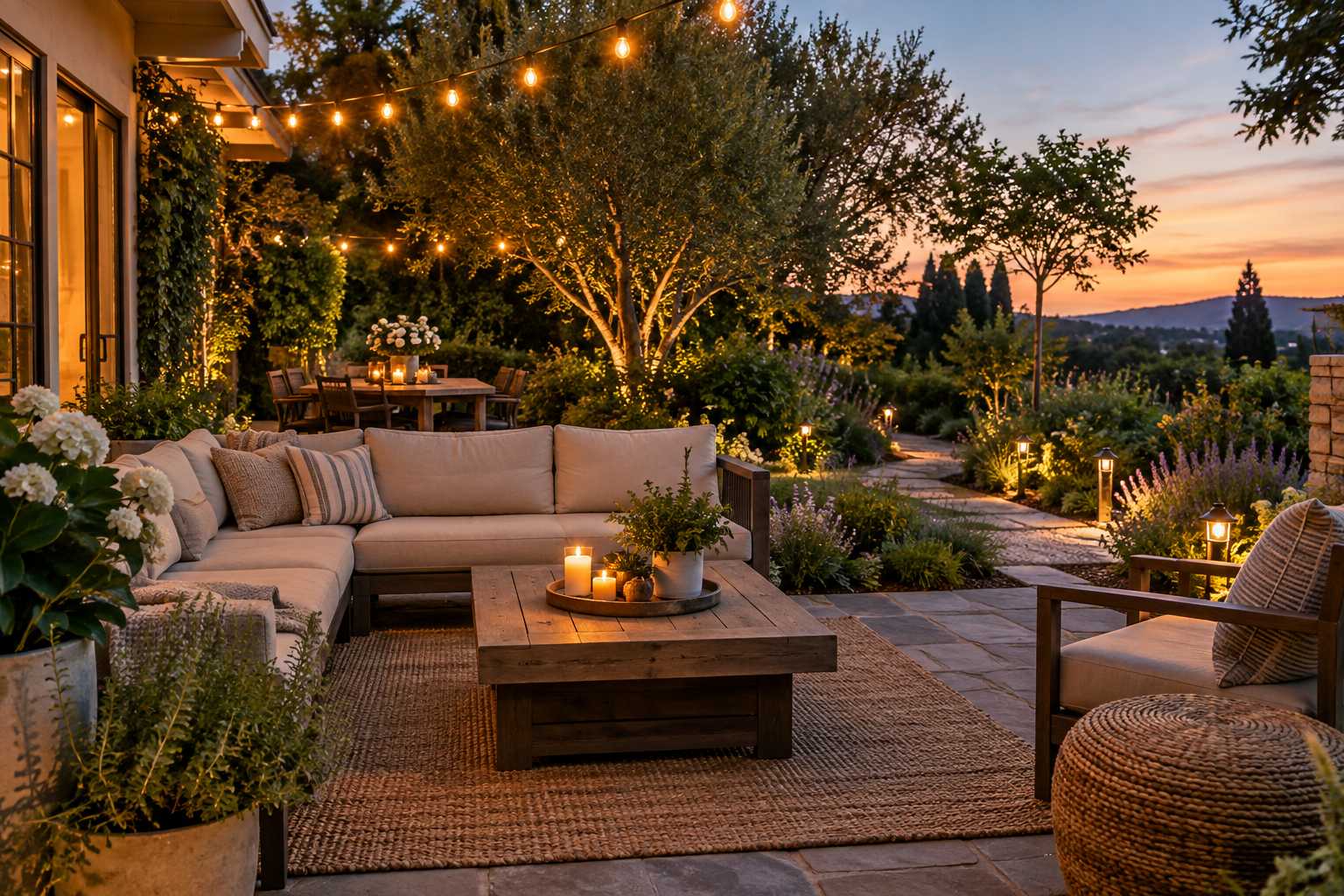
Mix low path lights, gentle wall light, and a small amount of overhead glow rather than relying on one glaring fixture. Check how the light looks against brick, siding, timber, and landscaping. Warm white often feels relaxed around a home, while neutral white can make modern lines appear crisp. Strong saturated colors work better as occasional scenes than as the default every night.
Controls should make normal evenings easy. Create one calm everyday setting before building holiday or event scenes. Timers and dusk triggers save effort, although a plain manual control still matters when guests arrive late or the weather changes a plan. Fancy software is less impressive when nobody remembers which menu turns the porch on.
Install for weather and future service
Use outdoor-rated equipment, protect cords from foot traffic, and keep bright beams out of neighboring windows. Follow electrical and height-safety requirements, and bring in a qualified professional where fixed wiring or difficult access is involved. Outdoor ratings must match the actual location; a protected eave and an exposed garden edge do not face the same moisture.
Trim plants around fixtures, clean away insects and dust, and move portable lights when the furniture layout changes. Keep a short record of product models, controller settings, and cable routes. That record turns a later repair from a guessing game into a small job. It also makes it easier to add a zone without undoing work that is already performing well.
Review the result from several distances on the first few nights. Lowering one section, shifting a schedule, or softening a color can improve the whole scene. Good lighting rarely shouts for attention. It quietly helps people move around, brings out the best parts of the property, and then gets on with its job.